
A digital detox cabin in Bulgaria. Three nights offline.
There is a moment when another notification starts to feel like a demand. At The Cabin by Drift & Dwells, near Bachevo in the Razlog area of southwestern Bulgaria, there is no guest Wi-Fi to connect to. The day follows the light, the weather and the fire instead. This is a small, off-grid cabin for two adults, not a wellness clinic, organised retreat or hotel with a wellness slogan.
In short: Choose The Cabin if you want privacy, forest quiet and a genuinely low-tech stay. There is no reliable mobile reception and only limited solar lighting. You heat the cabin with a wood stove and take care of basic off-grid routines yourself. A three-night stay gives you two full days without a normal screen-driven schedule. It does not promise to treat burnout.
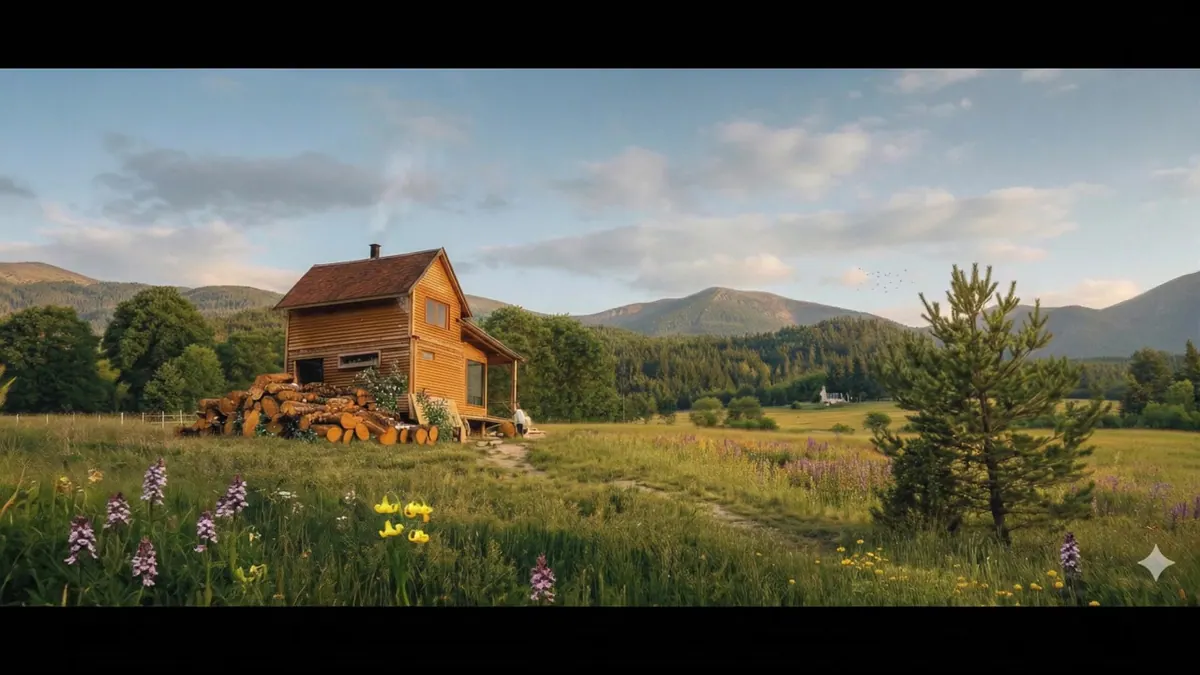
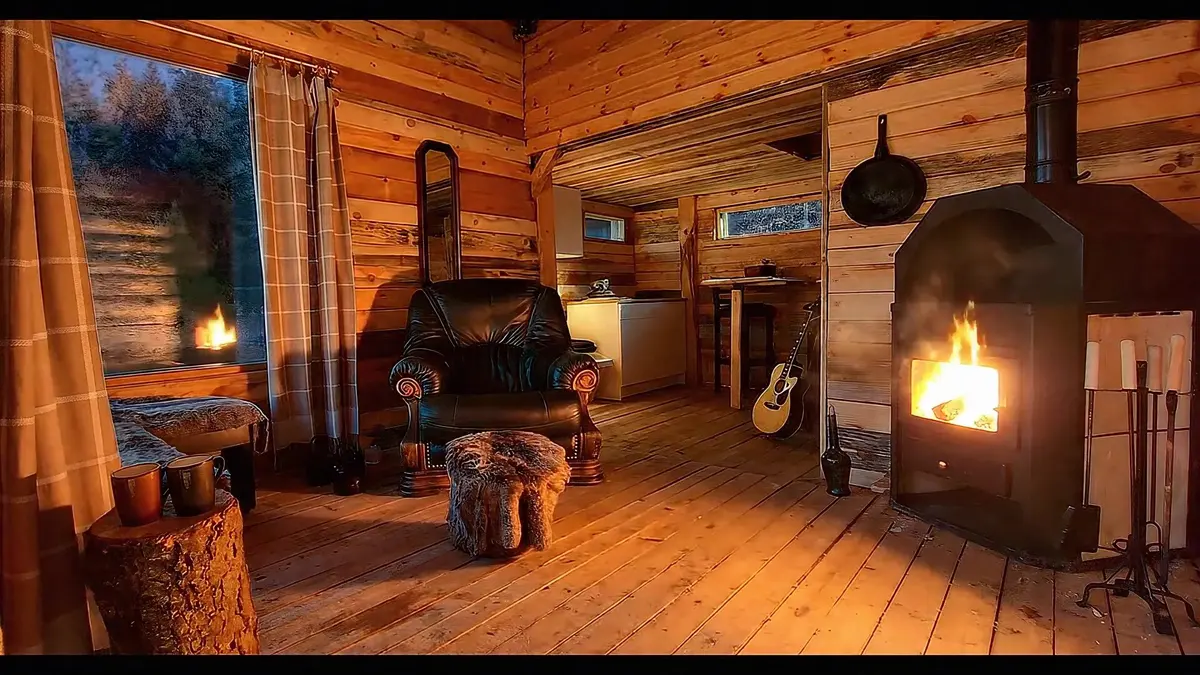
What does a digital detox actually look like here?
You wake without a feed to scroll. Instead, you can make breakfast slowly, sit outside, read, walk where conditions allow or just do nothing. If you feel like reaching for your phone, there is no rule to follow and no programme to complete. You decide how far you want to disconnect, but you should plan for a lack of reliable connectivity.
The Cabin makes that decision physical. Heat comes from a wood-burning stove that guests need to light and maintain. A small solar setup is intended for lighting, not normal appliances. You bring power banks for essential devices. Spring-supplied water and manual hot-water preparation are part of the experience. The outdoor wood-fired hot tub, when available, also takes several hours of preparation. None of these details is hidden behind the word 'retreat'.
Read the reality of staying at The Cabin
A suggested three-night stay
Arrival day: stop rushing
Arrive in daylight if you can. The final forest road is rough and high clearance is recommended. Unpack, get familiar with the stove and water setup, and make a simple dinner. Before setting out, tell someone trusted where you are staying and when you expect to contact them again.
First full day: leave the morning empty
Keep the first morning unplanned. Enjoy breakfast without a phone in your hand. Read, rest, listen to the forest and take a short walk only if conditions and your preparation make it sensible. Warm the cabin before evening and watch the light change.
Second full day: do less on purpose
Make space for an unstructured day. You can write, talk, cook or simply sit. If you want to use the wood-fired tub, check its seasonal availability and allow several hours to heat it. This is not a challenge to complete; the point is to have less to manage.
Departure day: return gently
Pack up, make sure the stove is safe and leave time for the forest road. A simple idea is to choose one habit you'd like to bring home, such as a phone-free breakfast. There is no score for how successfully you 'detoxed'.
Is three days without screens scientifically proven to reset your brain?
No. There is no established medical rule that three days offline resets the brain or cures burnout. Research into digital disconnection is mixed. For example, a 2025 systematic review and meta-analysis in Scientific Reports covering ten studies found no significant overall improvements in positive affect, negative affect or life satisfaction from social-media abstinence. A broader 2025 review also concluded that different digital-detox approaches are too varied to support a universal claim of effectiveness. This stay is offered as time and space to rest, not as a treatment.
Source: Lemahieu et al., Scientific Reports, 2025
Source: Review of non-work digital detox strategies, 2025
Who should choose The Cabin, and who shouldn't?
A good fit: Two adults who actively want quiet and don't mind lighting a stove, planning supplies and living with limited electricity, manual hot water and little or no phone service. The experience is particularly suited to people who want the opposite of a connected city break.
Not a good fit: Anyone who needs stable Wi-Fi for work, continuous medical or family contact, step-free hotel-style convenience or predictable access to services. If you're exhausted to the point that basic routines feel overwhelming, a self-managed off-grid stay may be more demanding than restful. Consider support from a qualified healthcare professional if burnout symptoms persist or affect daily life.
Before you go: the practical checklist
- Download offline maps and read your booking instructions before departure.
- Tell a trusted contact where you will be and agree a check-in plan, since phone signal may disappear.
- Pack warm layers, sturdy footwear, a power bank and any essentials you cannot do without.
- Arrive in daylight where possible and assess weather and road conditions.
- Expect to light and maintain the stove and prepare hot water yourself.
- Confirm any hot-tub availability ahead of time; it is not an automatic part of every stay.
Common questions
Is there Wi-Fi or mobile reception?
No guest Wi-Fi. Mobile reception is weak or absent, so do not count on being reachable. Read the emergency and arrival guidance before booking.
Is this a guided digital-detox retreat?
No. There are no mandatory sessions, coaching or therapy. It is a private, self-directed stay in a real off-grid cabin.
Can we work remotely from The Cabin?
No. The limited solar power and unreliable connection make it unsuitable for remote work.
Can two people stay?
The Cabin is designed for two adults. Check the current booking conditions for dates and any additional restrictions.
Will a three-night stay fix burnout?
No accommodation can promise that. Persistent exhaustion or burnout symptoms deserve professional evaluation and support; a quiet holiday can be a personal choice alongside appropriate care.
Is it close to Sofia?
The Cabin is near Bachevo, in the Razlog area of southwestern Bulgaria. Check the current route and conditions from your starting point rather than relying on a fixed travel-time promise.
Ready to disappear for a while?
Check the actual cabin photos, road access, fire and water arrangements, then select your dates. If you want a group experience instead of solitude, look at The Valley.